The Plastic Paradox: Why Everything You Think About Food Packaging Might Be Wrong


The Plastic Paradox: Why Everything You Think About Food Packaging Might Be Wrong
Unpacking the weekly groceries often leaves us with a familiar sight: a growing pile of plastic packaging. Fruits, vegetables, meats, and salads are all sealed in plastic wrap, trays, and bags. For many, this brings on a wave of cognitive dissonance. A feeling of environmental guilt clashing with the undeniable convenience and protection this packaging provides. We value the extended shelf life and hygiene, yet we worry about the waste piling up in our landfills and oceans.
This tension between our environmental concerns and our daily habits is at the heart of the plastic paradox. But what if our common assumptions about this material, its harms, its benefits, and even our own role in its lifecycle, are incomplete?
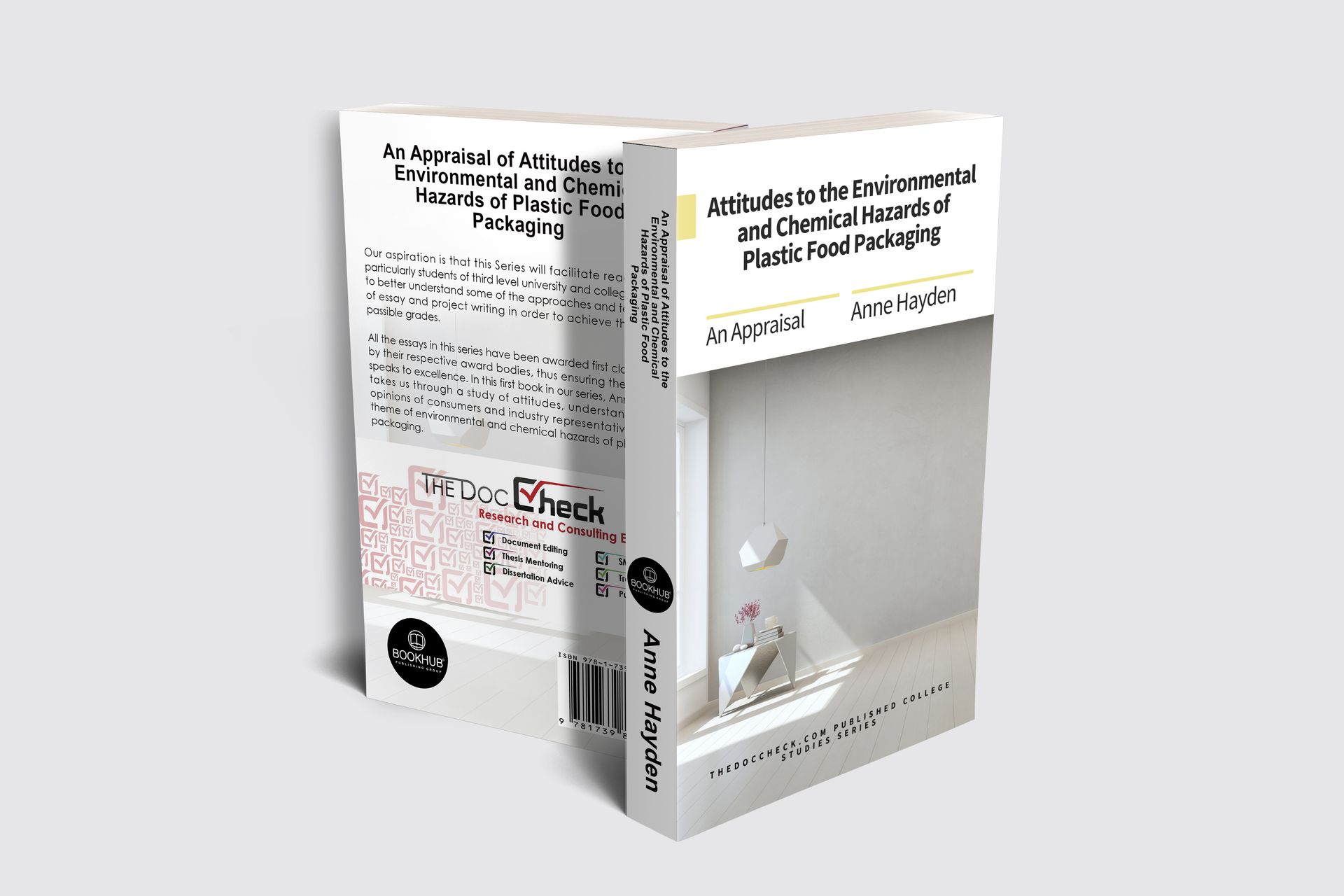
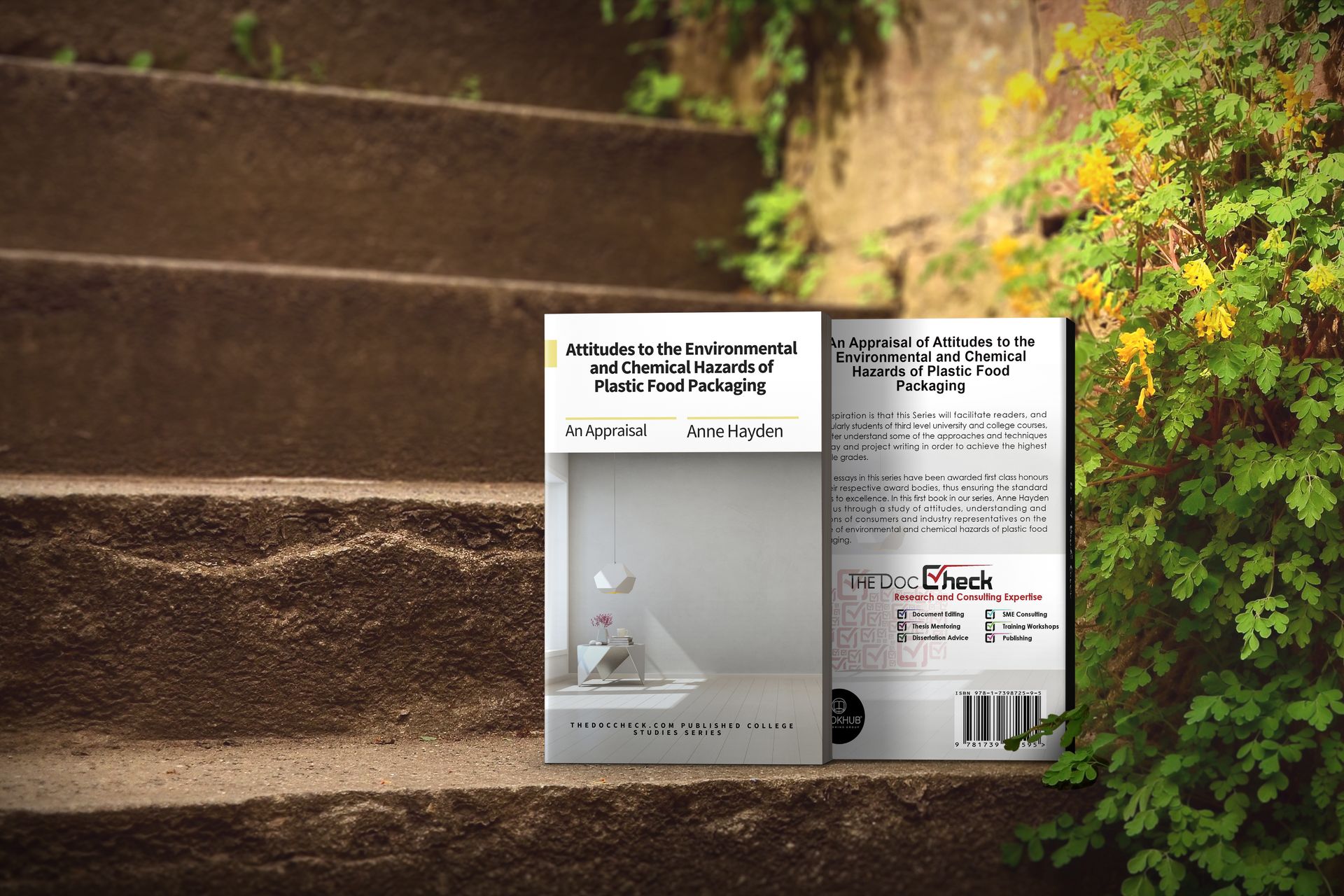
A study by researcher Anne Hayden MSc into the attitudes of consumers, food producers, and regulators in Ireland reveals a series of surprising and counter-intuitive findings. The story behind the plastic wrap in your kitchen is far more complex than you might think.
1. We Believe Plastic is Bad for the Planet, But Our Actions Are Conflicted
Consumers generally hold a strong, negative perception of plastic's environmental impact. This is backed by research, such as a 2016 Swedish study by Lindh et al., which found that while 62% of consumers perceived plastic as the worst environmental offender compared to materials like glass or paper, their actual purchasing decisions were more influenced by practical factors.
When it comes to choosing a product, attributes like packaging that is 'easy to open' and 'suitable for home storage' are often more important to shoppers than the material itself. This highlights a major gap between our general environmental anxieties and the practical, convenience-driven decisions we make in the supermarket aisle every day.
2. You're a Great Recycler, But Your Efforts Might Be Wasted
There is good news when it comes to our intentions. Research conducted by Anne Hayden found that an overwhelming 95.7% (66 out of 69) of surveyed shoppers in Dublin, Ireland, make the effort to recycle their plastic food packaging. This indicates a strong public commitment to doing the right thing.
The surprising twist, however, is a major knowledge gap about what is actually recyclable. When the Irish shoppers who knew some plastics couldn't be recycled were asked to provide an example of a non-recyclable item, the single most common response was "Don't Know." This uncertainty points to a breakdown in public information and labeling clarity. The issue is compounded by industry practices; in the same study, two of the three Irish food companies surveyed confirmed they do not use recyclable plastic food packaging, stating that the price is "too high." This reveals a frustrating disconnect: consumers are diligently trying to recycle packaging that producers, citing high costs, never made recyclable in the first place.
3. We're Worried About Health Risks, But There's a Major Disconnect
The potential health risks associated with plastic food packaging are a common concern, but research from Ireland reveals a significant disconnect between the views of consumers, producers, and regulators.
• The Consumer View: A significant portion of Irish consumers (43% of the sample in Hayden's study) believe there are health effects from plastic packaging. Crucially, when asked to specify what those effects were, the most common answer was that they "did not know." This finding points to a general public anxiety that is driven more by vague apprehension than by specific, actionable information.
• The Industry View: The perspective from producers is starkly different. All three Irish food companies surveyed for the study stated unequivocally that there were "no health effects from plastic food packaging."
• The Regulator View: The official position comes from the Food Safety Authority of Ireland (FSAI). In an interview, Dr. Bernard Hegarty of the FSAI clarified the agency's stance:
The issue, therefore, is not necessarily that plastic packaging is dangerous, but that a "trust gap" exists. Consumers are uncertain, producers are certain of safety, and regulators are confident in their guidelines. This gap highlights a public unease that official assurances have not fully resolved.
4. Plastic Packaging Is Solving a Problem That Might Be Bigger Than Plastic Waste
To fully understand plastic's role, we must examine the primary purpose highlighted by the research itself: preventing food waste. Plastic packaging performs several critical functions: it prevents tampering, maintains freshness, prevents contamination from microorganisms, and extends the shelf life of food.
These benefits are directly connected to another massive global environmental issue.
As the research notes, "Food packaging prevents bacterial contamination, which allows for a longer shelf life and eventually will reduce food waste." While plastic waste is a visible and pressing problem, food waste has an enormous environmental impact of its own. Citing a powerful statistic from the literature, the Environmental Protection Agency (EPA) estimated that thirty-four million tonnes of food were thrown away in 2010 in the United States alone. This presents a complex trade-off. We must weigh the environmental impact of plastic packaging against its crucial role in reducing the staggering environmental problem of food waste.
Conclusion: Beyond the Bin. Rethinking Our Plastic Future
Our relationship with plastic food packaging is filled with contradictions. We worry about its impact on the planet but prioritize convenience. We diligently recycle without always knowing if our efforts matter. We harbor vague health concerns that are not shared by producers or regulators. And we often overlook the vital role plastic plays in preventing the colossal problem of food waste.
The path forward is not simply about eliminating plastic, but about innovating it. The study highlights promising developments on the horizon, including "biodegradable," "active," and "intelligent packaging." These technologies aim to extend shelf life, monitor food safety, and reduce environmental persistence. As packaging technology evolves, how do we build a system, through regulation, consumer pressure, and corporate responsibility, that values both the plastic that preserves our food and the innovation that preserves our planet? Now, that requires some thinking!
-© Niall MacGiolla Bhuí, PhD. October 2025.